

How Expats Can Embrace Massachusetts’ Heritage Without Feeling Out of Place

Alt: city waterfront featuring a mix of modern high-rise buildings and historic brick structures under a cloudy, golden sky
How Expats Can Embrace Massachusetts’ Heritage Without Feeling Out of Place
Moving across borders brings excitement and uncertainty at the same time. Massachusetts often attracts expats for work, study, and family reasons. The state carries deep traditions that can feel unfamiliar at first. Many newcomers worry about fitting in without losing their own identity. This concern is common and valid during early settlement. The goal is not imitation but understanding and respect. Learn how expats can embrace Massachusetts’ heritage right here and find a place where you can still feel comfortable and confident.
Early Planning Shapes Your Experience
The first step starts well before packing begins. If you prepare for your move properly, you can reduce pressure once you land. Research local habits, housing norms, and daily routines. Massachusetts values punctuality, direct communication, and personal space. Knowing this ahead of time prevents misunderstandings. Planning also includes understanding climate changes and seasonal rhythms. These details shape daily life more than many expats expect.
Choosing Where to Settle
Housing decisions affect how a culture feels on a daily level, and moving to MA’s cities introduces different social patterns and expectations. Urban areas feel faster and more structured during the workweek. Smaller communities rely on local ties and shared routines. Choosing a place that fits your pace matters. Walkability, transit access, and neighborhood events influence connection.
Learning Through Daily Interactions
Culture becomes clear through repeated actions, not big gestures. Everyday exchanges at shops and offices set the tone. People value courtesy without excessive conversation. A simple greeting and clear request work best. Over time, these patterns feel natural. Observing first helps build confidence. Small moments teach more than formal explanations.
Starting Over With Perspective
Relocation often resets personal expectations because a fresh life in a new city and country brings freedom and responsibility. Massachusetts encourages independence paired with accountability. People manage their schedules carefully and expect others to do the same. This structure supports trust in professional and social settings. Accepting this balance reduces friction. A fresh start works best when paired with patience.
Understanding Local History Without Pressure
History shapes attitudes across the state. Colonial roots influence education, governance, and civic pride. You do not need expert knowledge to show respect. Listening and asking thoughtful questions go far. Museums, public libraries, and walking routes provide quiet ways to learn at a comfortable pace. Visiting these spaces regularly helps build context over time. Curiosity guides the process more effectively than deep expertise.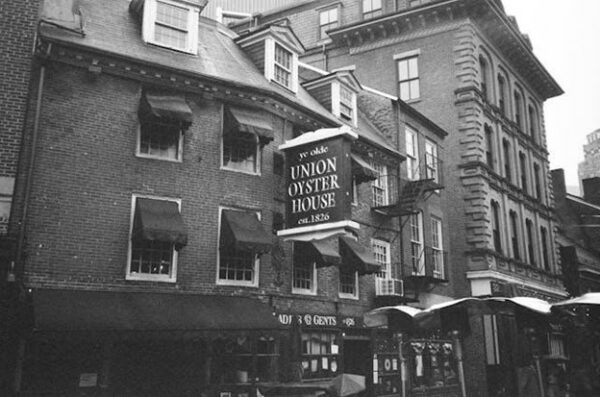
Alt: Black and white photograph of a historic brick building featuring a hanging sign that reads “Union Oyster House est. 1826,” indicating a longstanding restaurant
Caption: Quiet exploration through museums, libraries, and walking routes allows newcomers to embrace Massachusetts’ heritage through curiosity rather than expertise.
Work Culture and Professional Conduct
Workplaces reflect regional values through structure and clarity. People respect preparation, which sets expectations before work even begins. Meetings stay focused and time-aware as a result. Feedback remains direct but fair, which reduces confusion. This approach favors efficiency over emotional display. Expats often adjust quickly once these patterns become clear. Professional trust then develops through consistent performance.
Social Circles Form Slowly but Last
Friendships develop at a steady pace, which can feel slow to newcomers. Massachusetts residents may seem reserved at first, yet this reserve reflects respect for personal boundaries rather than distance. As routines repeat, natural openings for connection appear. Sports, classes, and local groups provide those shared touchpoints. Regular participation makes interactions familiar.
Adjusting to National Customs
Moving also introduces broader social norms. Navigating American culture involves learning informal rules. People value independence and personal initiative. Clear opinions carry respect when expressed calmly. Public behavior favors order and fairness. Understanding these patterns lowers stress during daily interactions. Cultural adjustment becomes easier through steady observation and thoughtful reflection.
Embrace Massachusetts’ Heritage Through Shared Events
Public events offer safe entry into community life. Seasonal festivals, parades, and civic days welcome participation. Attendance alone shows interest and respect. You do not need perfect knowledge to attend. These gatherings reflect shared memory and pride. Over time, meaning becomes clearer. Participation builds comfort without pressure.
Food as Cultural Entry Point
Food traditions reveal local habits and reflect how communities value time and togetherness. Regional dishes connect history with daily life in a practical way. Trying local meals opens conversation naturally and helps newcomers embrace Massachusetts’ heritage through experience rather than theory. Dining customs stay relaxed yet punctual, which signals respect without formality. Shared meals help reduce the distance between people. Food creates connection through shared experience and familiarity over time.

Alt: people sitting side by side against a plain wall, each holding a plate with cake and a fork
Caption: Sharing local meals creates easy conversation and helps newcomers embrace Massachusetts’ Heritage through everyday experiences rooted in history and routine.
Education and Lifelong Learning
Education connects many parts of daily life in Massachusetts. This value shows through strong public libraries, lectures, and community programs. These spaces feel open rather than formal, which lowers barriers for newcomers. As a result, expats can observe local thinking styles while participating at their own pace. Learning often happens through discussion instead of instruction. That exchange encourages mutual respect without pressure to conform. Over time, shared curiosity supports natural social ties.
Sports and Shared Identity
Sports provide another common thread that links strangers. Local teams give people a shared point of reference in casual settings. Even limited awareness helps conversations feel easier. Watching a game or following scores creates continuity across seasons. That continuity supports familiarity in workplaces and neighborhoods. Because expectations stay low, participation feels safe. Sports, therefore, act as a social bridge rather than a test of knowledge.
Balancing Adaptation and Identity
Cultural adjustment works best when the balance stays intact. Expats do not need to replace personal habits to fit in. Instead, small adjustments support smoother interaction. Massachusetts culture respects independence paired with responsibility. This balance leaves room for individual expression. By staying consistent while remaining open, newcomers earn trust. Identity remains stable as comfort grows.
Building Routines That Support Stability
Routine reinforces that sense of comfort. Predictable schedules help reduce daily uncertainty. Massachusetts services, transport, and workplaces follow clear timing patterns. Aligning with these patterns prevents avoidable friction. Once routines settle, energy shifts from adjustment to engagement. This stability supports focus at work and ease at home. Structure becomes supportive rather than restrictive.
Communication Style and Expectations
Clear communication ties these routines together. Direct language helps avoid confusion in professional and social settings. People expect clarity more than explanation. Listening carefully supports mutual understanding. Tone matters because it signals respect. With practice, this style feels efficient rather than abrupt. Communication improves through repetition and context.
Long-Term Belonging Through Understanding
Belonging develops through consistent interaction. Trust builds when behavior aligns with expectation over time. Massachusetts communities value reliability in both small and large matters. Showing up regularly carries weight. Familiarity replaces hesitation through shared experience. Understanding deepens without effort. Belonging becomes steady and quiet.
Comfort Through Respect and Time
Cultural comfort does not arrive all at once. It forms through observation, patience, and everyday participation. Respect for local habits encourages openness without pressure. As routines settle, confidence grows naturally. Expats retain identity while gaining understanding. This balance supports long-term satisfaction. Through this process, newcomers can truly embrace Massachusetts’ heritage while feeling secure and at ease.
Meta: Learn how expats can embrace Massachusetts’ heritage with confidence, balance cultural respect, and feel at home.
Kw: Embrace Massachusetts’ Heritage
 WhatsApp